A Guide to Binisues Menorca | Natural Science Museum and Manor House
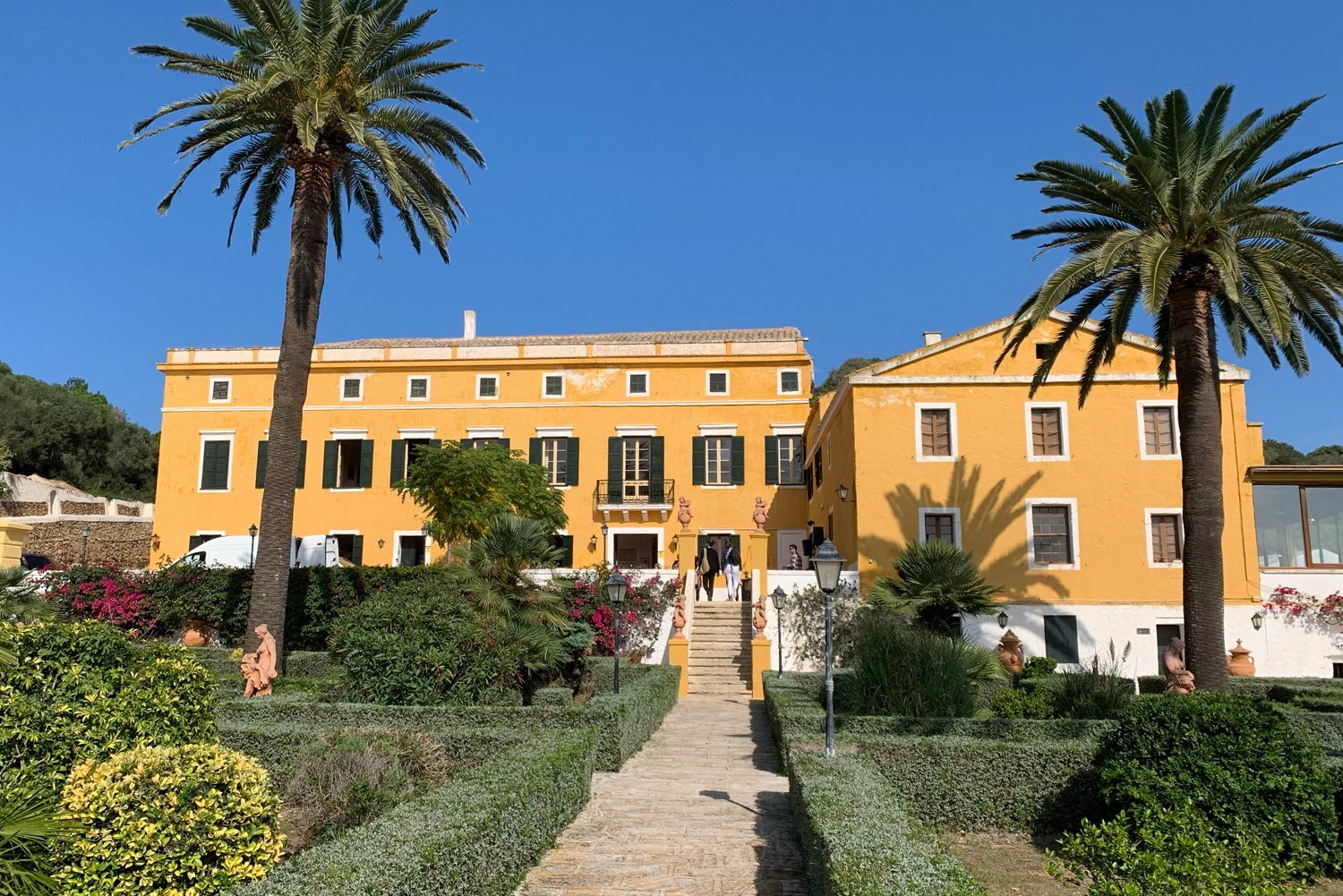
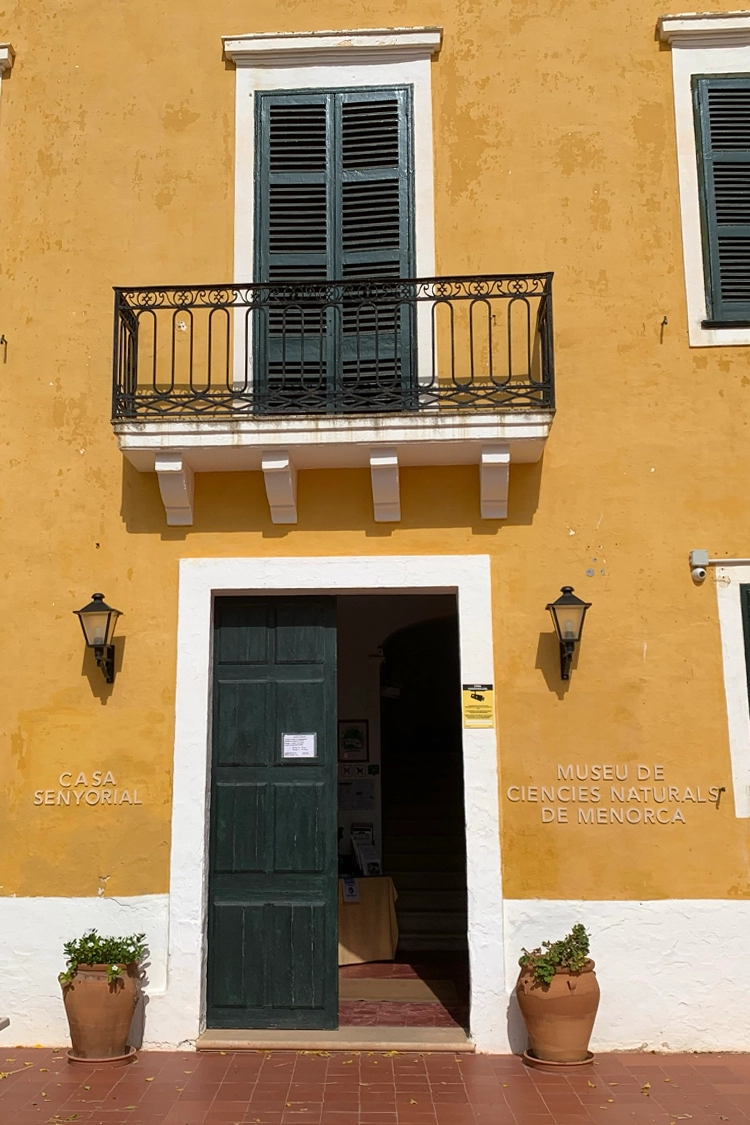
If you’re exploring inland Menorca, I found the Museum of Natural Sciences of Menorca and Binisues Manor House to be a surprisingly rewarding stop. It’s one of those places where nature, history, and a bit of rural life all come together in a quiet, rural setting not far from Ciutadella.
Museum of Natural Sciences of Menorca
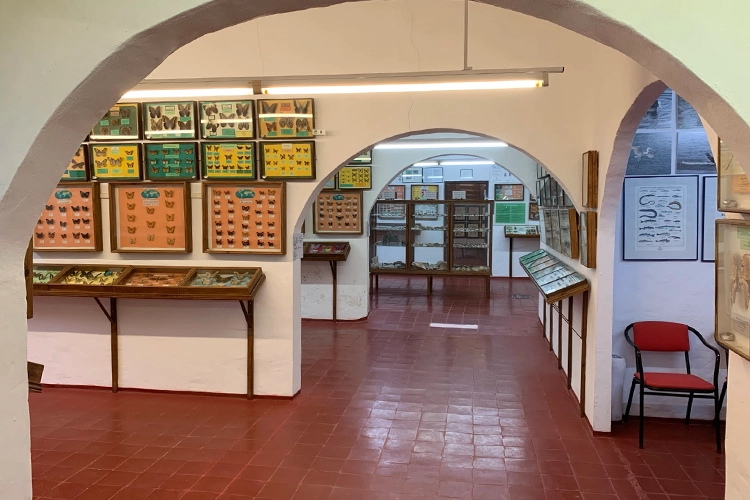
The Museum of Natural Sciences of Menorca was created by naturalists Joan Carreras Torrent and Miquel Carreras Torrent. The museum is the result of more than 46 years of scientific work and research, focused on documenting the biodiversity of Menorca and other parts of the world.
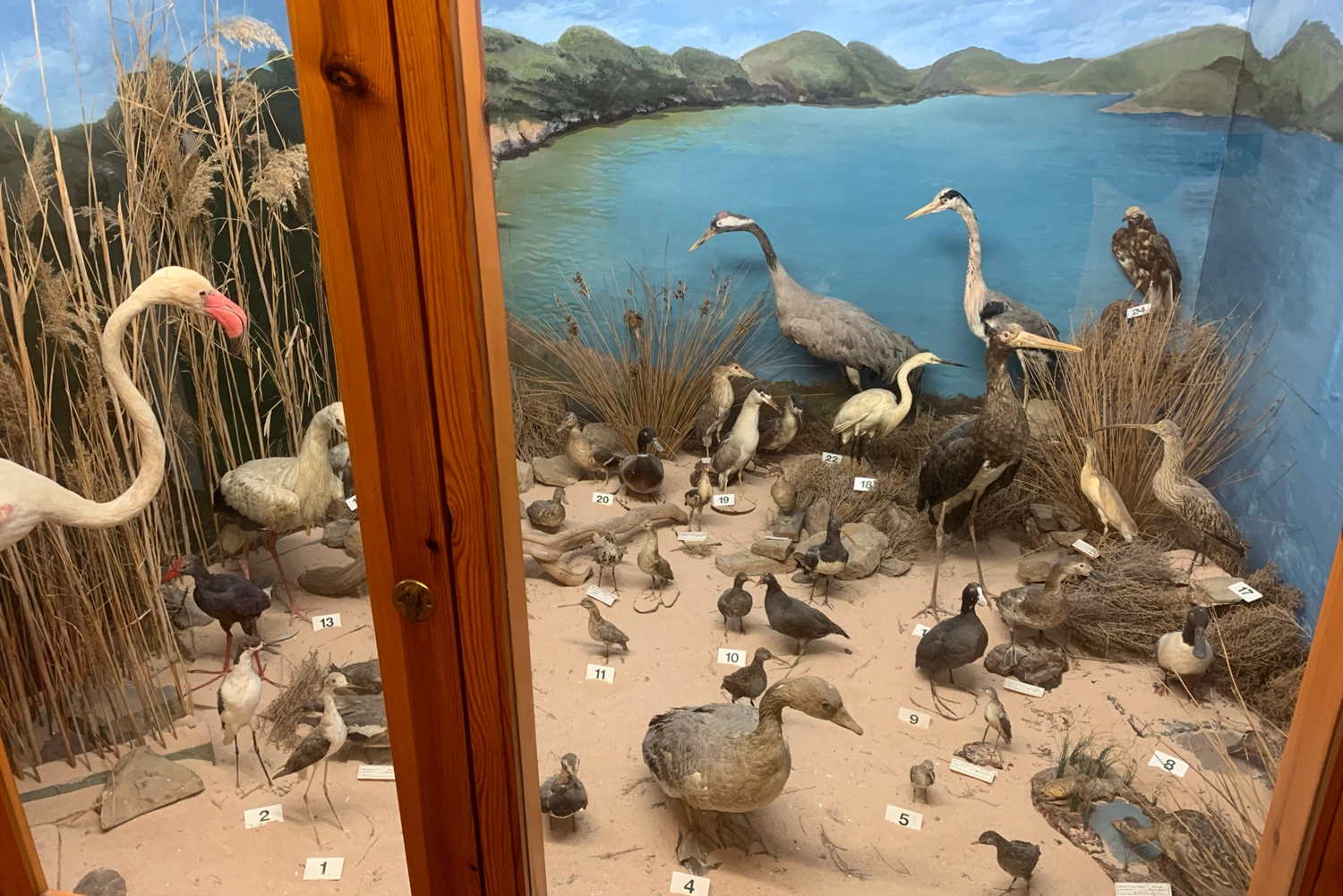
Inside, the museum displays approximately 8,000 specimens, including birds, mammals, reptiles, fish, insects, crustaceans, arachnids, myriapods, as well as rocks, fossils, and minerals. These collections represent both local species from Menorca and specimens from international locations.
In addition to the main displays, the museum maintains a scientific collection of around 70,000 specimens, which supports ongoing research and allows for the expansion of exhibitions over time.
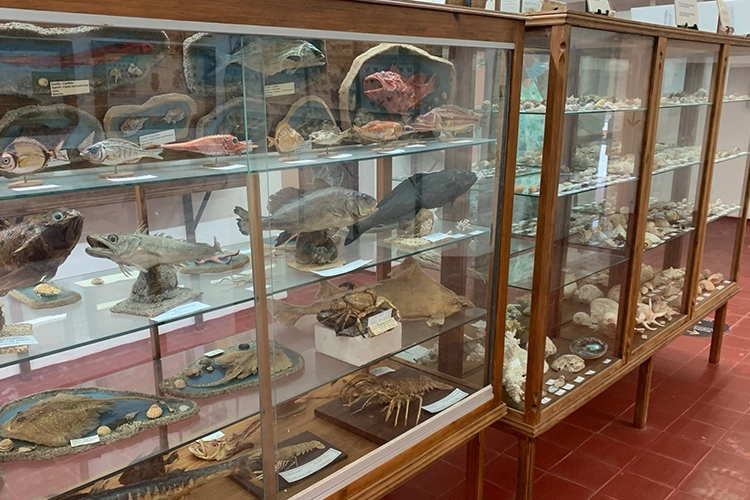
What to See: Key Collections and Exhibits
Visitors to the Museum of Natural Sciences of Menorca can explore several distinct sections:
- Animal and insect collections: Including birds, mammals, reptiles, and a wide range of insects
- Geology displays: Over 300 rocks, minerals, and fossils from Menorca and beyond
- Seashell collection: Around 1,000 bivalves and gastropods, including seashells and snails
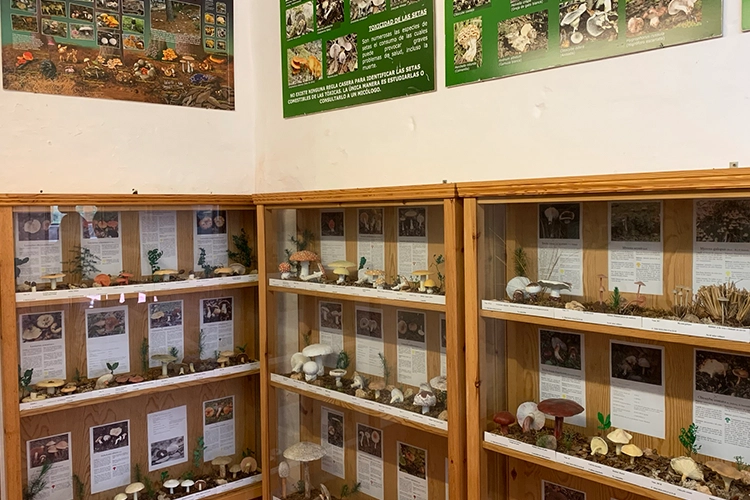
- Mushroom exhibition: Approximately 1,500 hand-crafted clay models representing 350 mushroom species
- Nature photography: Around 90 photographs related to natural environments
Each mushroom model is individually made from clay and painted by hand to replicate species found in Menorca’s forests.
Rare Specimens and Notable Highlights
Among the collections, several specimens are identified as having particular interest. The museum includes four types of diurnal butterflies—Hipparchia semele, Hipparchia statilinus, Lasiommata maera, and Gonepteryx rhamni—which were previously unrecorded in Menorca and the Balearic Islands before being identified here.
- The Death’s-head hawkmoth, known for its skull-like marking and ability to make sounds.
- The Chinese tasar moth (Antheraera pernyi). It is the biggest lepidoptera in the Balearic Islands.
- The Atlas moth, one of the largest butterflies in the world.
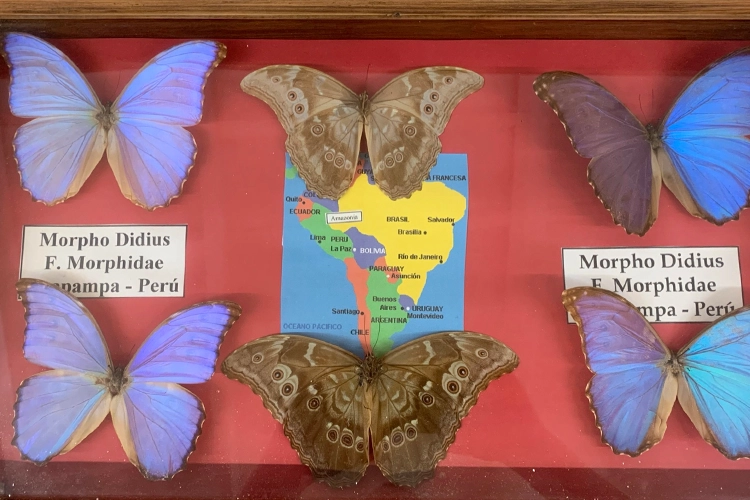
- Bright blue Morpho butterflies, which appear to change colour depending on the light.
- The European rhinoceros beetle (Oryctes nasicornis). The strongest beetle in the world.
- The beetle of Ferreries (Potosia Cuprea ferreriesensis). Named after the town where the Carreras Torrent brothers were born.
- The Ulisses butterfly (Papilio ullysses). It is one of the most beautiful butterflies in the world.
- The biggest butterfly in the world, Attacus atlas. It can measure 30cm.
- The Caligo butterflies: also known as owl butterflies because of the two ocellus which look like owl eyes.
- The Megasona actaeon is one of the biggest beetles in the world and lives mainly in the Amazon jungle.
- The emperor scorpion (Pandimus imperator) is one of the biggest scorpions in the world.
Binissuès Manor House
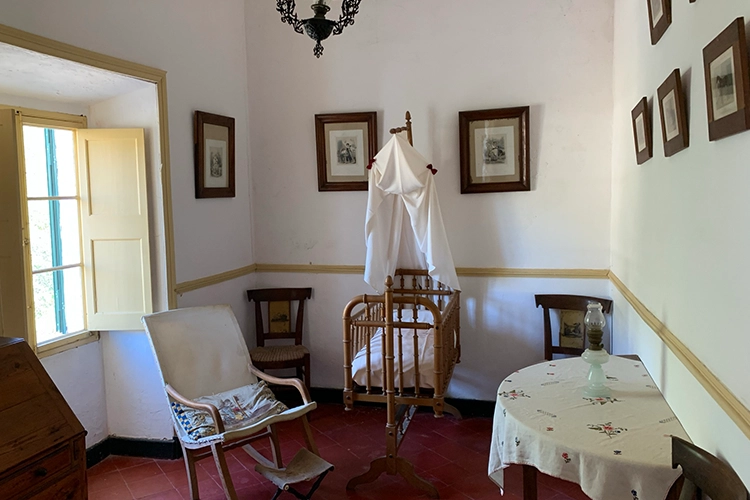
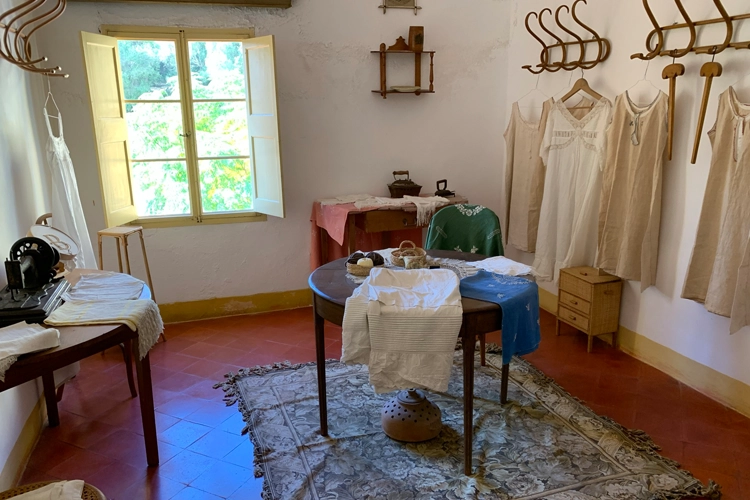
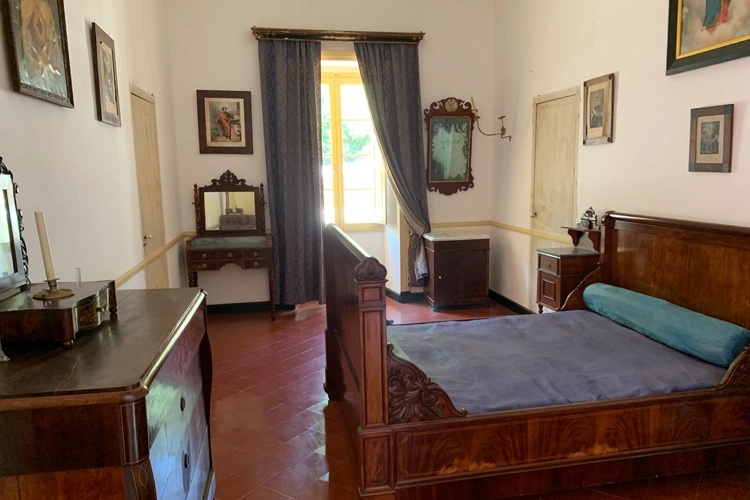
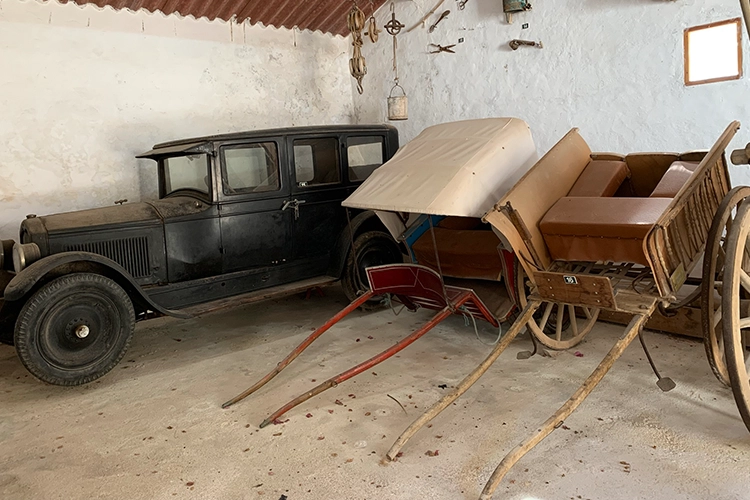
Just a short walk away, is the Binissuès Manor House, dating from the late 1800s offers a completely different experience. The house is set up to show what rural life in Menorca looked like in the past, with many rooms arranged and furnished using traditional items found.
As you move through the house, you’ll see kitchens, living spaces, and storage areas filled with furniture, tools, and everyday objects. These include agricultural equipment, household utensils, and period furnishings that reflect how it would have looked backin the 18th century.
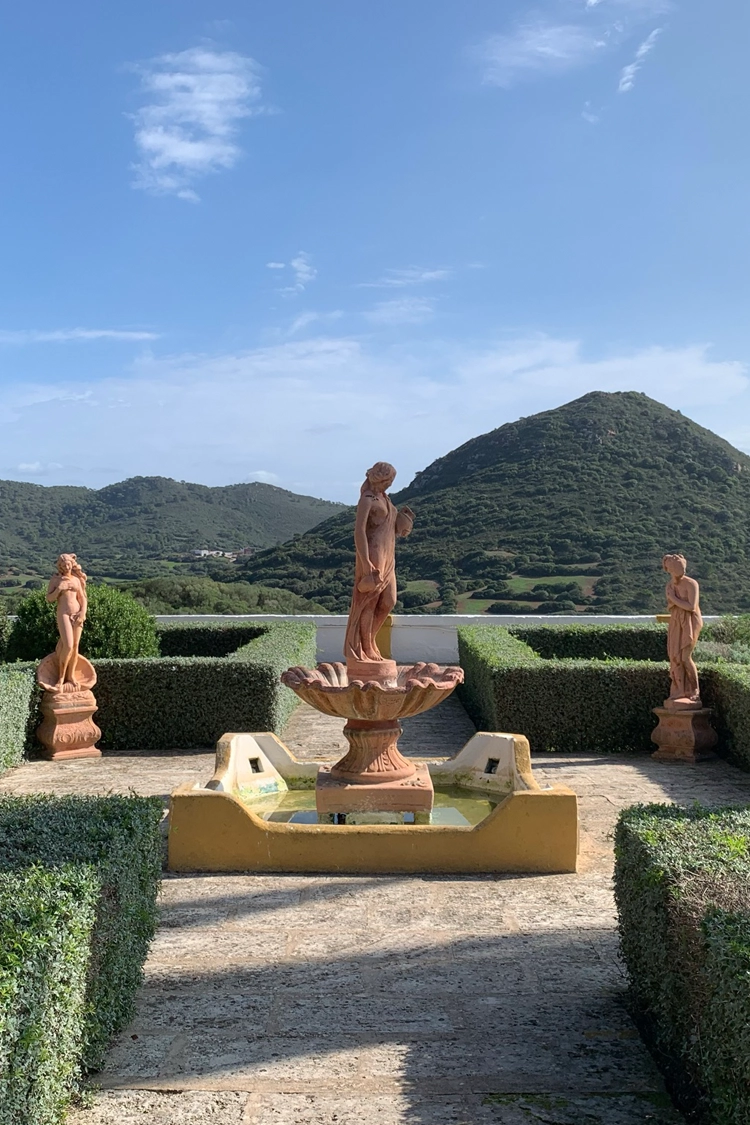
The surrounding estate adds to the visit, with countryside views and buildings typical of Menorca’s inland areas. It’s a quiet setting, and the layout makes it easy to explore at your own pace.
Practical Advice
A visit to the Museum of Natural Sciences of Menorca involves moving through indoor exhibition spaces, while the Binisues Manor House includes walking through furnished rooms and outdoor areas. The visit is generally self-paced, allowing time to explore each section. The overall experience can usually be completed within a few hours.
How to visit
- The easiest way to visit is by car, located just of the main Me-1 road between Ferreries and Ciutadella.
- Both attractions are located within a rural setting.
- Free parking is available nearby for both attractions.
Opening Times
- From April to October: Monday to Friday from 9:30 a.m. to 2:00 p.m.
Entry Price
Prices include access to the Manor house, the Ethnological Museum and the Museum of Natural Sciences of Menorca
- Adults: 7€
- Children: 5€
- Elderly: Free
For special group rates for 15 or more people, please contact them.
Contact information
Ctra. Mahón-Ciutadella km 31.6
(detour to Els Alocs)
Menorca
Tel: +34 971 373 728 | info@binissues.com
Website: http://www.binissues.com
FAQs
Do you need to book in advance?
No, but it is recommended to check availability and opening times in advance, especially during peak season.
How long does the visit take?
Most visits take a few hours to explore both the museum and the manor house.
Is it suitable for families?
Yes, the museum collections and manor house is ideal for families, with a range of exhibits to explore.
Where is it located?
Both attractions are located inland in Menorca, just west of the town of Ferreries within a rural setting accessible by car.