
How to Visit Trepuco, a Bronze Age Settlement in Menorca
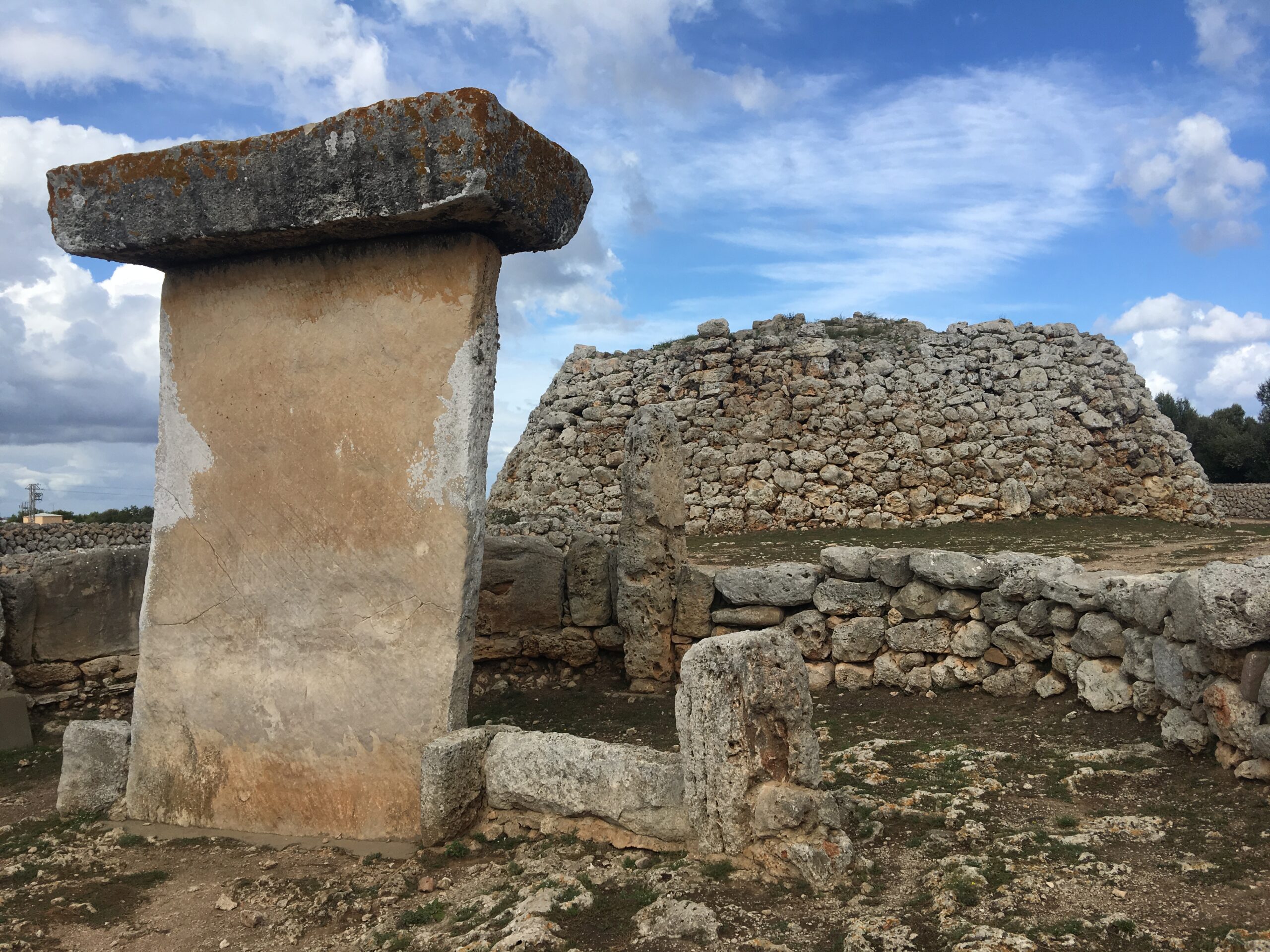
If you’re planning a trip to Menorca and want to dive into the island’s fascinating history, the Trepucó prehistoric settlement is a must-see.
This remarkable archaeological site offers a glimpse into Menorca’s Talayotic culture, dating back over 3,000 years. Quiet, atmospheric, and steeped in mystery, Trepucó is one of the best places to step back in time and imagine what life was like on the island long before the Romans, Moors, or Catalans arrived.
A Brief History of Trepuco
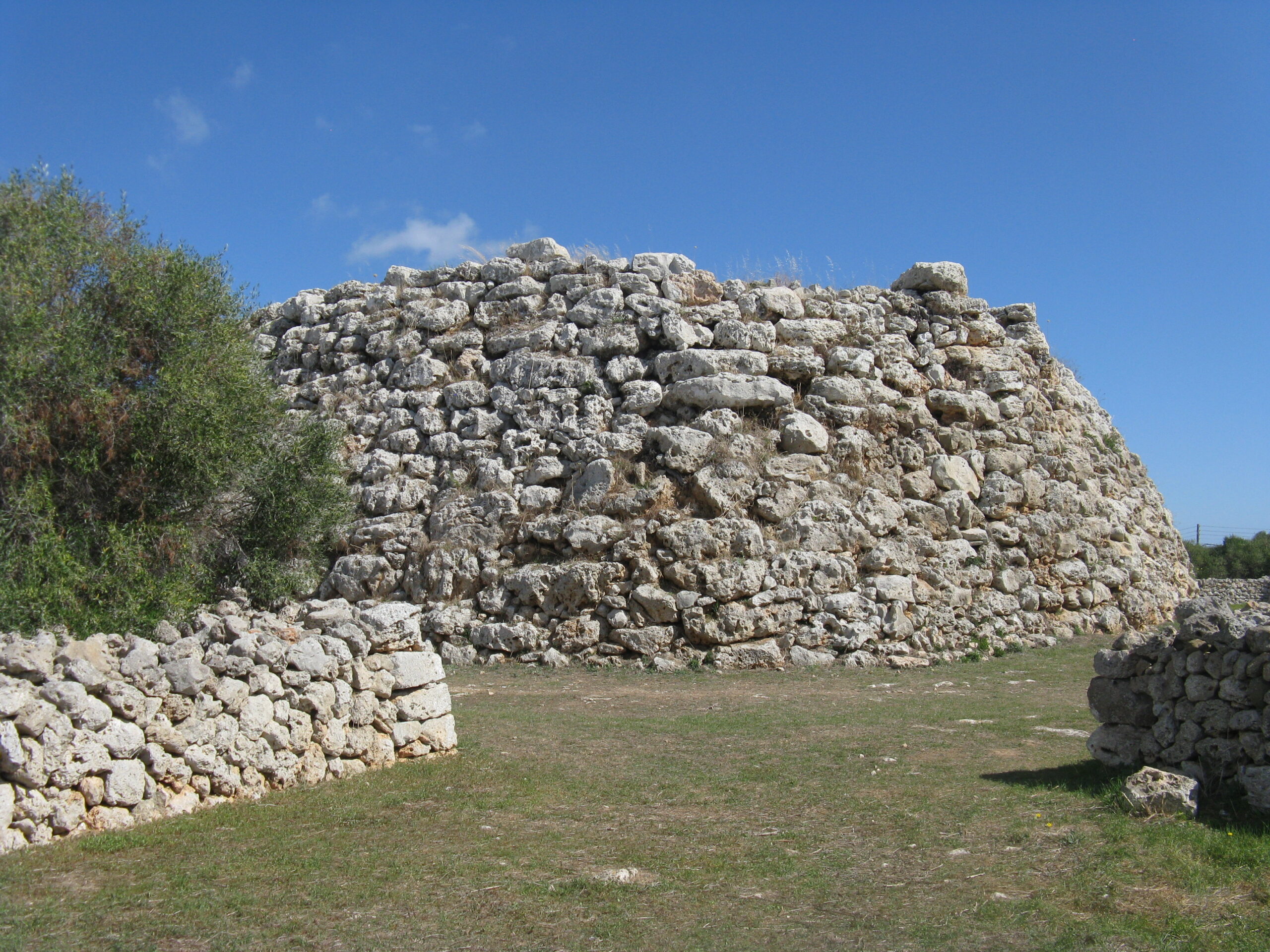
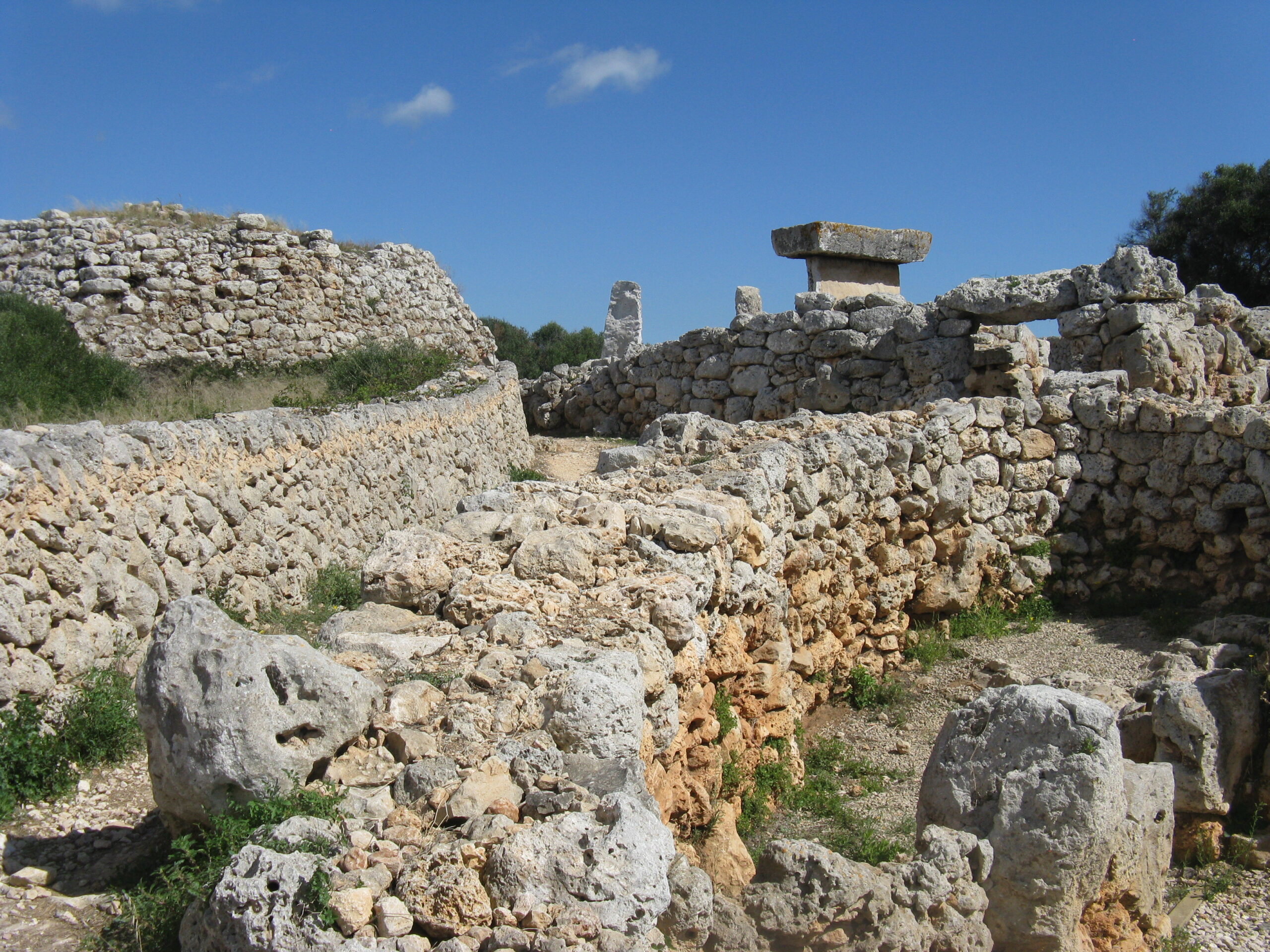
Trepuco is one most significant prehistoric settlements in Menorca dating back over 3000 years. During the Talayotic period (approximately 1000 BC – 123 BC), Menorca’s first communities built fortified villages with talayots (stone towers), taulas (T-shaped sanctuaries), and protective walls.
In the late 3rd century BC, Trepucó was partly destroyed during the Punic Wars (a series of wars fought between the Roman Republic and the Carthaginian Empire). Carthaginians from nearby Ibiza used Menorca as a military base, and archaeological evidence suggests the settlement suffered attacks during this period.
After the Roman conquest in 123 BC, Talayotic settlements like Trepucó gradually declined. Roman towns (Sanisera, Mahon and Ciutadella) were established, new customs, and different ways of life led to the abandonment of many prehistoric villages.
For centuries, Trepucó was forgotten but in 1930 a pioneering British archaeologist Margaret Murray carried out independent archaeological excavations of the site. Her work uncovered the taula, talayots, and village foundations that you can see today.
Today, Trepucó is carefully preserved as part of Menorca’s cultural heritage. It is also included in the island’s campaign for UNESCO World Heritage recognition of its Talayotic monuments, ensuring that this remarkable site remains protected for future generations.
Why Visit the Trepucó Settlement in Menorca
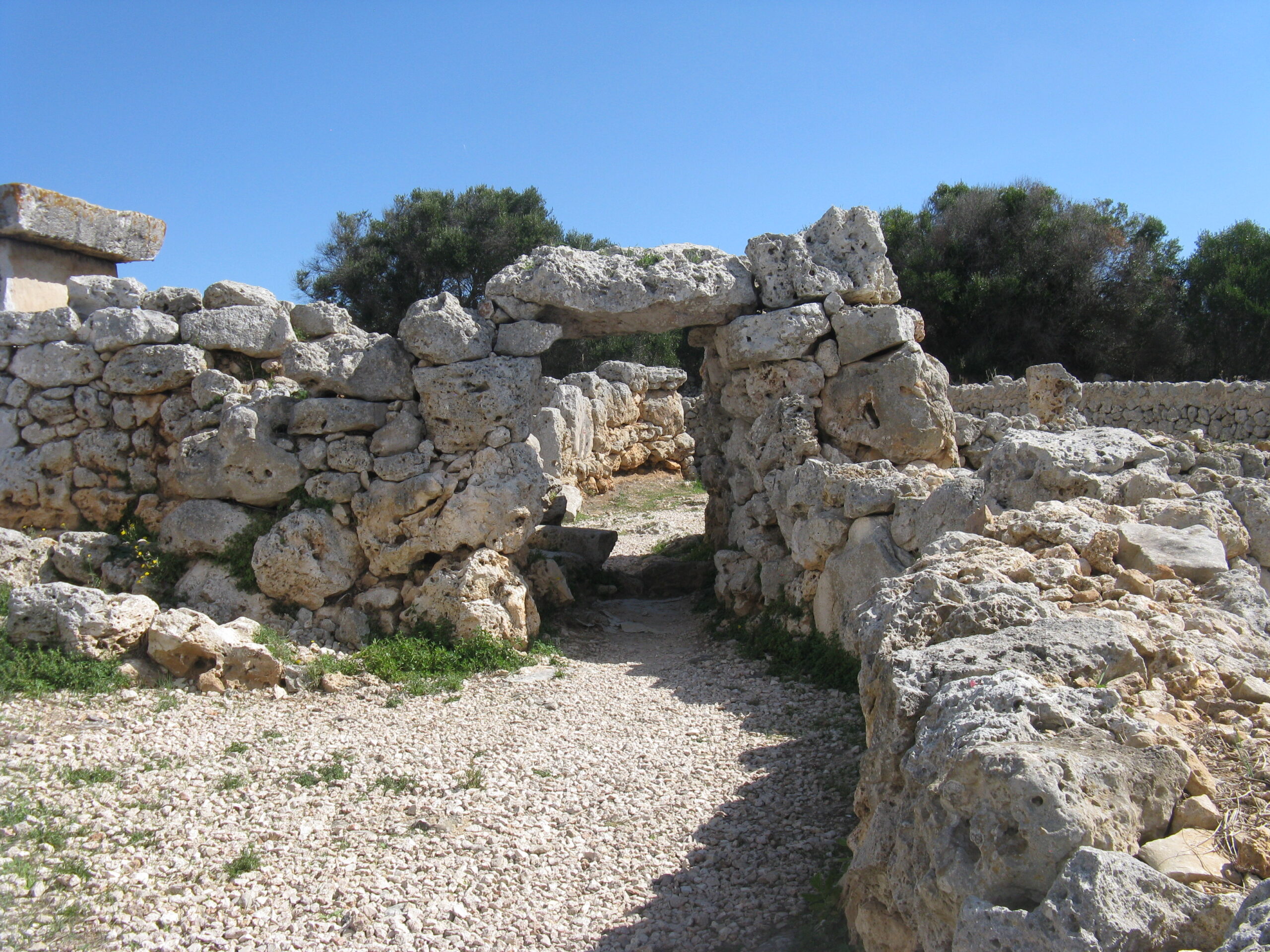
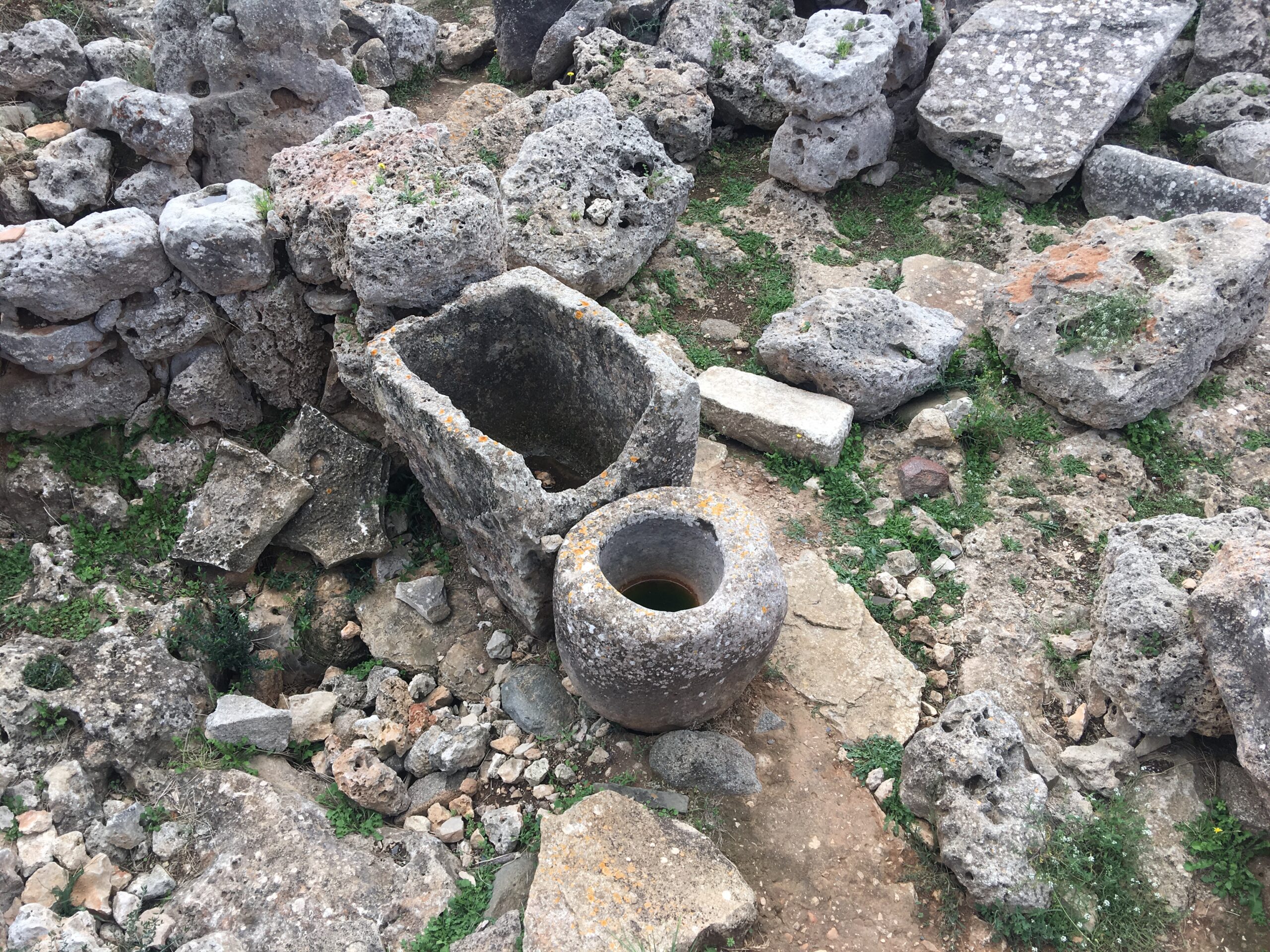
The village was carefully organized, blending defensive architecture with ritual spaces, showing that the Talayotic people valued both safety and spirituality.
How To Get To Trepuco
By Car
From Ciutadella take the Me-1 road East across the island to Mahon, it’s a 45 km / 60 minutes journey bypassing the towns of Ferreries, Es Mercadal and Alaior.
By Bus
From Ciutadella take Bus Line 1 to Mahón (journey: about 1 hour). From other towns there are regular buses travelling to Mahon including Alaior, Es Mercadal, and other parts of the island.
Walking
If you’re already in Mahón, walking is the simplest and most enjoyable way to reach the church.
From Mahón Harbour: The walk from the harbour area up into the old town takes around 10–15 minutes. Be prepared for a bit of an uphill climb, as the harbour sits below the city centre.
From Bus Station: If you arrive by bus, the central station is only 5–10 minutes’ walk from the church. Simply follow signs toward Plaça de la Constitució.